To Travel is to Live
When I have a Camera in my Hand, I Know no Fear
Photography is the Art of Observation
Seeing Life Through a New Lens
Think of it as an Adventure
I Have Not Been Everywhere - But it's On My List
Wish You Were Here!
Photography Alters Life by Holding Still
There are Places you Haven't Been Where you Already Belong!
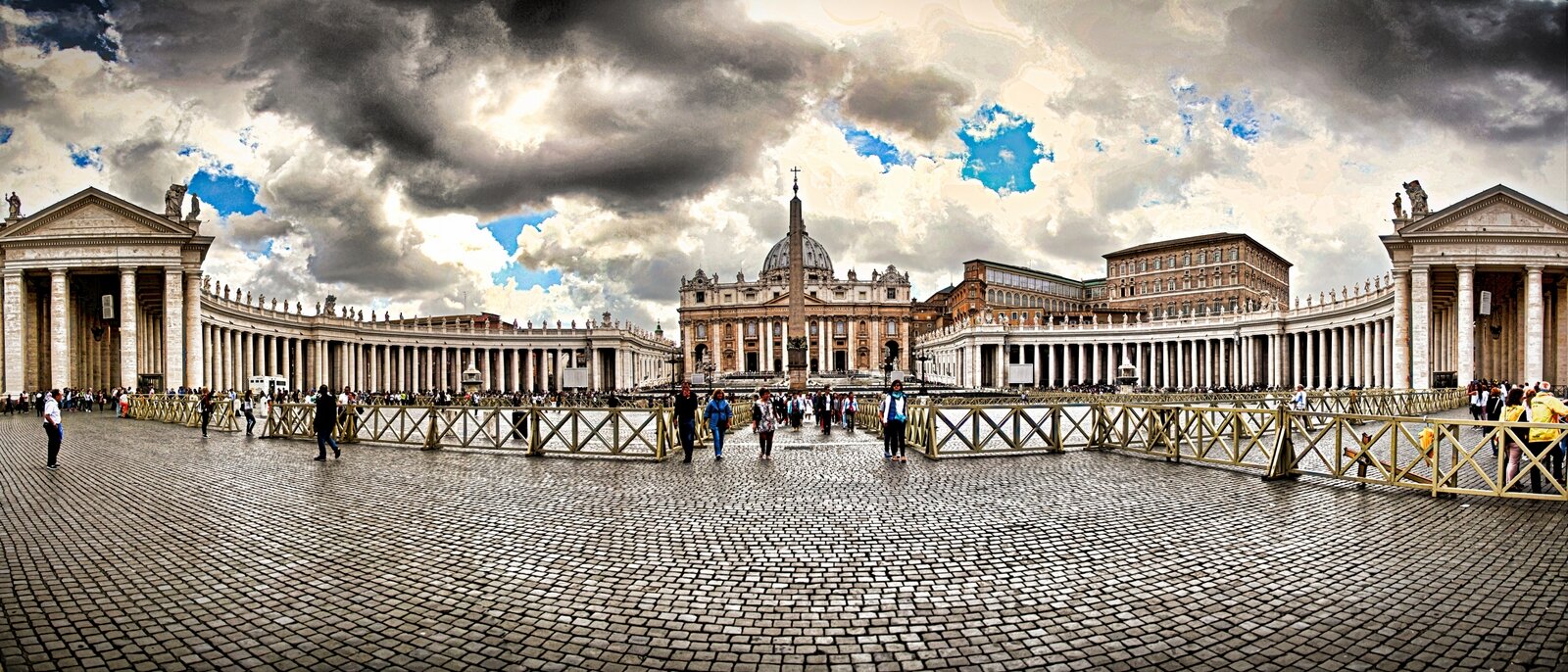
Travel - You Get to See What a Tiny Place You Occupy in the World
Adventure is Worthwhile!
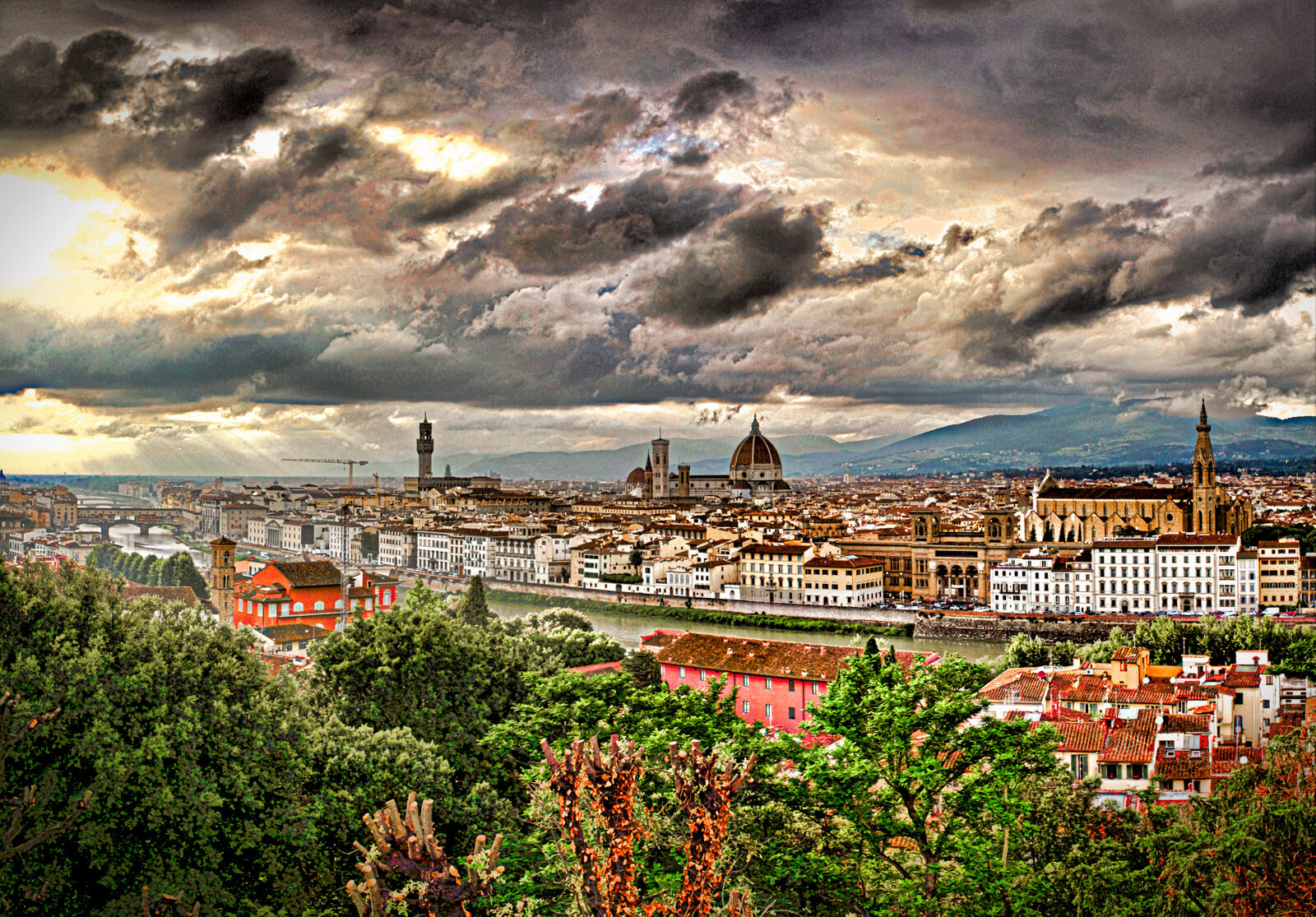
Travel Becomes a Strategy for Accumulating Photographs
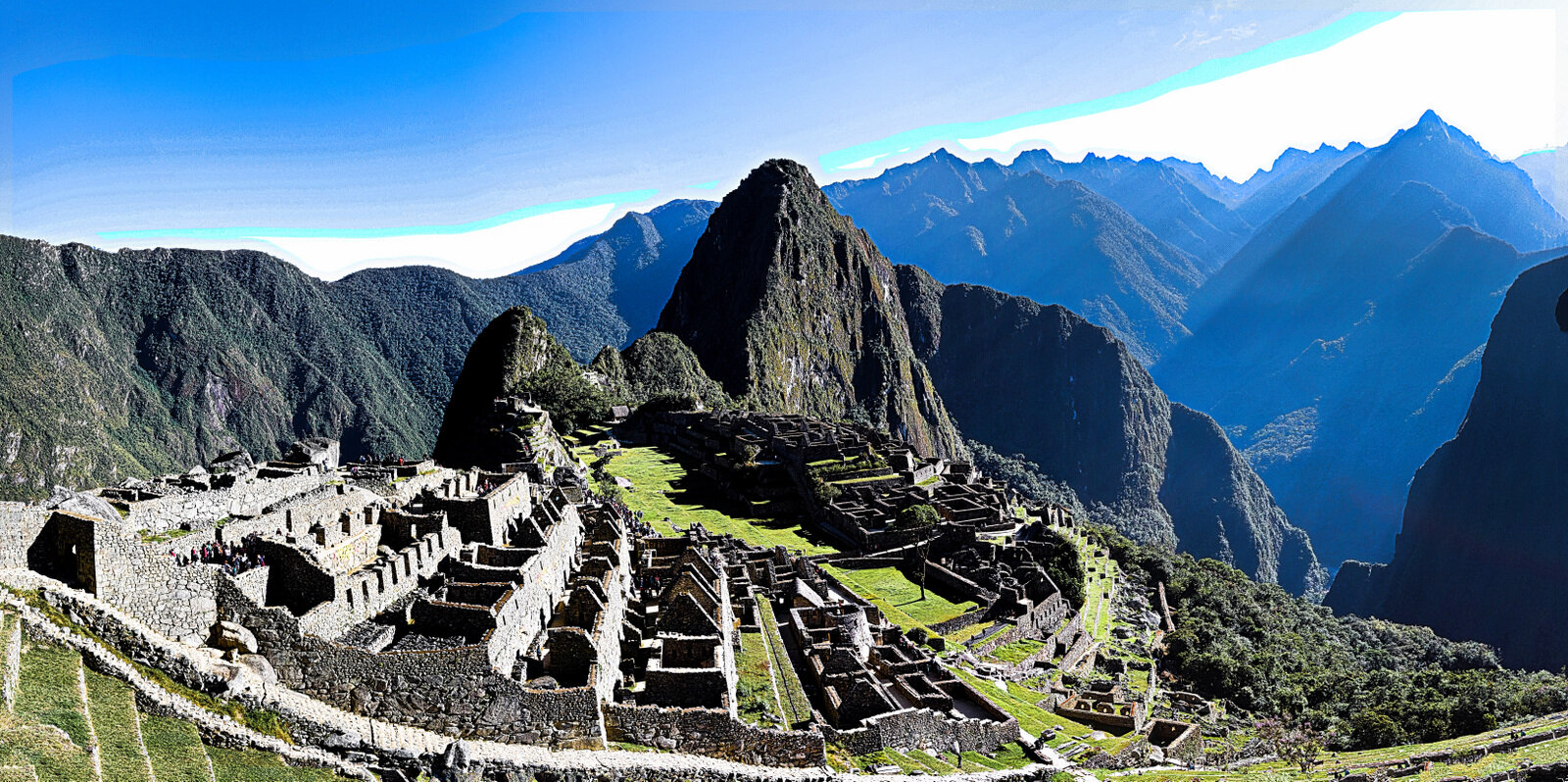
To Travel is to Discover that Everyone is Wrong About Other Countries
Enjoy the window to the world that I am presenting.
If you have been to some of these places, I am sure it will evoke the awesome sentiments of the time and place when you were there .. and if you haven’t travelled, let this be your inspiration!
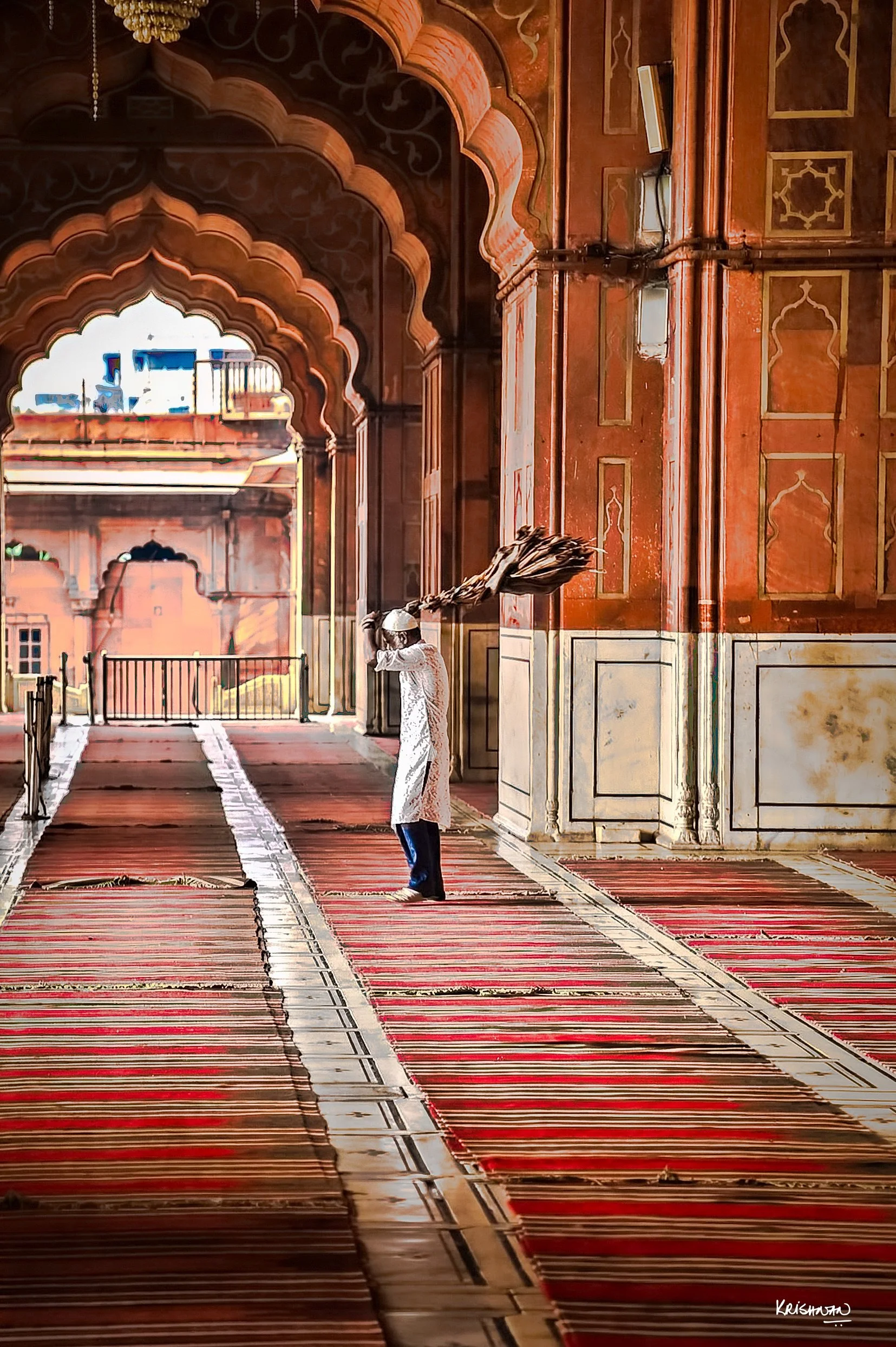
This photograph show a natural tree as a natural habituate for living organisms like birds, beats etc.
Premium canvas prints designed to bring visual texture and depth to contemporary spaces. Printed on museum-grade matte paper.
Sizes Available: 30x45".
Customization: Optional framing available in black, white, or natural oak.
The Opera House is Sydney’s best-known landmark. Its unique use of a series of gleaming white sail-shaped shells as its roof structure makes it one of the most-photographed buildings in the world. In 2007 the Opera House was designated a UNESCO World Heritage site.
The Sydney Opera House in Sydney, Australia, is one of the most recognizable buildings in the world. It is a complex of theaters and halls linked beneath its famous white roof, and is used for staging music, plays, and dance performances. It was built after an international competition was announced in 1956 to design a new opera house for Sydney. The winner of the competition was Jørn Utzon, a Danish architect. Utzon designed the building with a series of arched white roofs shaped like the sails of boats. Construction began in 1959 and the Opera House was opened to the public in 1973. More than 3,000 events take place in the Opera House every year. The largest “sail” of the Opera House is as tall as a 20-storey building!
Cruising the Sydney Harbor heading towards Manly Beach with the expansive view of the cityscape and the famed Sydney Opera House.
The largest steel arch bridge in the world, the Sydney Harbor Bridge is an iconic landmark spanning one of the finest natural harbors known to mankind. Opened in 1932, the bridge is fondly nicknamed the Coat Hanger by Sydneysiders. You can walk and cycle across the bridge or climb to the top for stunning views. The iconic bridge took eight years to build using 53,000 tons of steel and six-million hand-driven rivets. During construction, the two steel halves of the towering arch met in the middle of the span on 19 August 1930 at 10pm. The arch spans 1,650 feet and the top is 439 feet above the water.
Located in Canada’s famous Banff National Park, Emerald Lake is the largest lake located in Yoho National Park in the province of British Columbia. It’s just 20 minutes’ drive west from its famous neighbor Lake Louise but is not as well known. With a beautiful green hue, it truly stands up to its name. The color is most intense in early summer when there is a high amount of glacial silt flowing from the surrounding mountains. Due to the high elevation of the lake, it remains frozen from November to early June.
Located in Alberta's Rocky Mountains, Banff National Park is Canada's oldest national park, established in 1885. Moraine Lake is a spectacular and gorgeous lake in Banff where its waters are the most amazing color, a vivid shade of turquoise that changes in intensity through the summer as the glaciers melt. Set in the rugged Valley of the Ten Peaks, Moraine Lake is surrounded by mountains, waterfalls, and rock piles, creating a scene so stunning it almost seems unreal. Moraine Lake sits at an elevation of 6,183 feet and it is 9 miles southeast of the hamlet of Lake Louise. Glacier-fed, its brilliant blue-green color is a result of light refracting off the rock flour (fine particles of rock) in the glacier run-off which flows into the lake.
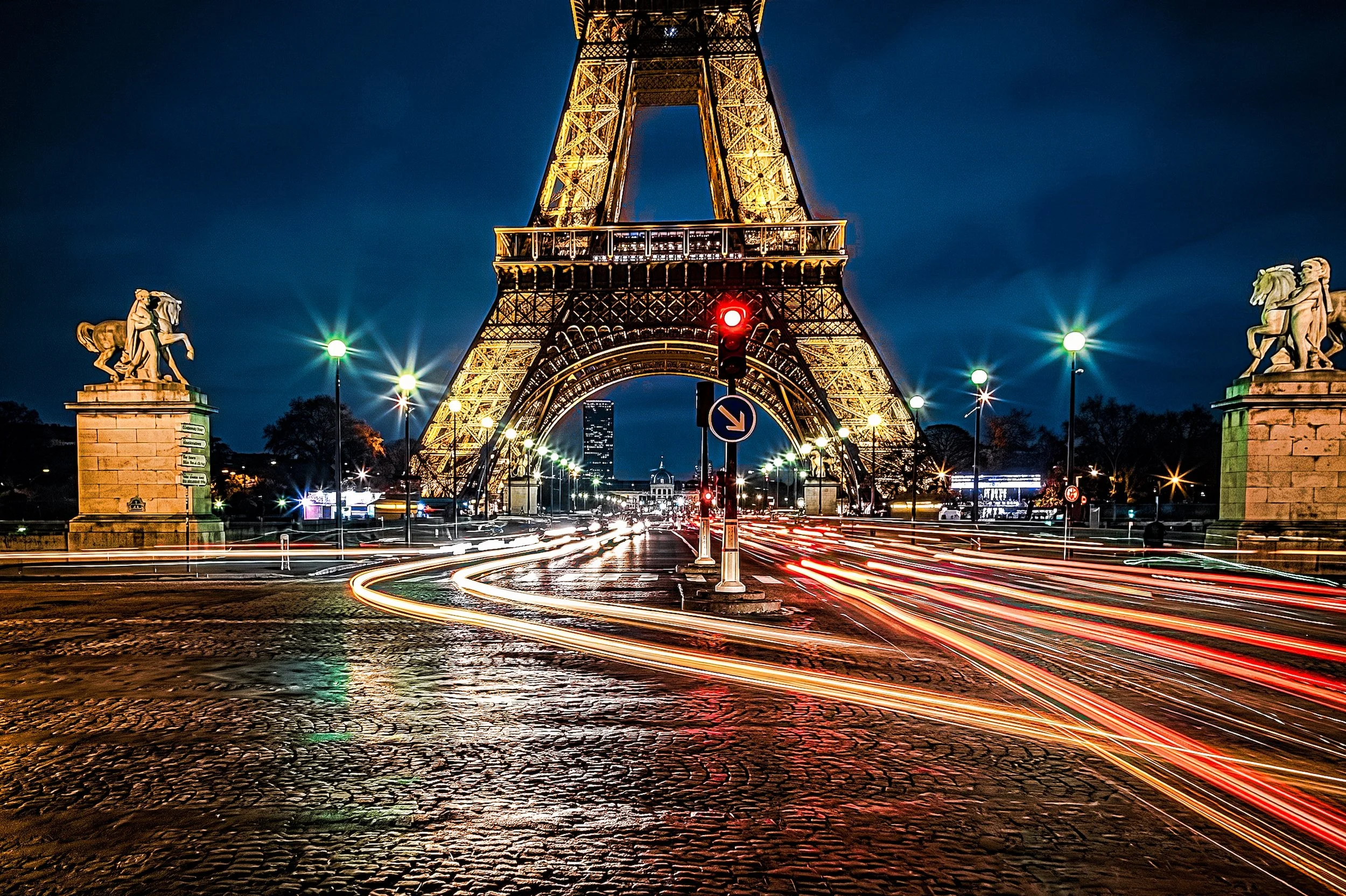
Some of the best views of the Eiffel are from the side streets of Paris around Champs de Mars. A symbol of Paris and more generally of France, Gustave Eiffel’s masterpiece has been standing tall since 1889!
Paris, je t’aime!
Paris, je t’aime! If you find yourself simply wanting to have a lighthearted time while spending your summer in Paris, then you should make space in your schedule for the Fête Foraine (French word for funfair) in the Jardin des Tuileries. It’s situated near the Place du Carrousel, just two steps from the Louvre museum, on the edge of the Jardin des Tuileries. Here is a shot from inside the carriage of the giant Ferris wheel flying the Rue de Rivoli and get thrilling views over the city. There is the Eiffel Tower in the distance and the iconic Air France building.
A simple but striking picture of a red awning - just another beautiful building in Avignon, France.
Eiffel Tower, French Tour Eiffel, Parisian landmark that is also a technological masterpiece in building-construction history. When the French government was organizing the International Exposition of 1889 to celebrate the centenary of the French Revolution, a competition was held for designs for a suitable monument. More than 100 plans were submitted, and the Centennial Committee accepted that of the noted bridge engineer Gustave Eiffel. Eiffel’s concept of a 984-foot tower built almost entirely of open-lattice wrought iron aroused amazement, skepticism, and no little opposition on aesthetic grounds. When completed, the tower served as the entrance gateway to the exposition.
The Parthenon is a resplendent marble temple built between 447 and 432 B.C. during the height of the ancient Greek Empire. Dedicated to the Greek goddess Athena, the Parthenon sits high atop a compound of temples known as the Acropolis of Athens. Throughout the centuries, the Parthenon withstood earthquakes, fire, wars, explosions and looting yet remains, although battered, a powerful symbol of Ancient Greece and Athenian culture. The Parthenon was the center of religious life in the powerful Greek City-State of Athens, the head of the Delian League. Built in the 5 century B.C., it was a symbol of the power, wealth and elevated culture of Athens. It was the largest and most lavish temple the Greek mainland had ever seen. Today, it is one of the most recognized buildings in the world and an enduring symbol of Ancient Greece.
The moon-lit Parthenon at night as seen from Areopagus Hill. The Parthenon is a resplendent marble temple built between 447 and 432 B.C. during the height of the ancient Greek Empire. Dedicated to the Greek goddess Athena, the Parthenon sits high atop a compound of temples known as the Acropolis of Athens. The Parthenon was the center of religious life in the powerful Greek City-State of Athens, the head of the Delian League. Built in the 5 century B.C., it was a symbol of the power, wealth and elevated culture of Athens. It was the largest and most lavish temple the Greek mainland had ever seen. Today, it is one of the most recognized buildings in the world and an enduring symbol of Ancient Greece.
Santorini is where the Aegean sky turns into a living painting each evening. Its sunsets are legendary and radiant layers of gold, rose, and violet cascading over whitewashed cliffs and blue-domed churches. As the sun sinks behind the caldera, the island glows in a warmth that feels almost otherworldly.
The Széchenyi Chain Bridge was the first structure across the Danube in Hungary, built in the mid-1800s and, as a suspension bridge, a marvel of architecture and engineering at the time. Now one of seven bridges across the river, it was the first to connect Buda (West) and Pest (East), shifting the flows and development of the city. Lion sculptures guard its entries, it's lit up at night to dazzling effect, and of course it offers stunning views of the literally blue Danube.
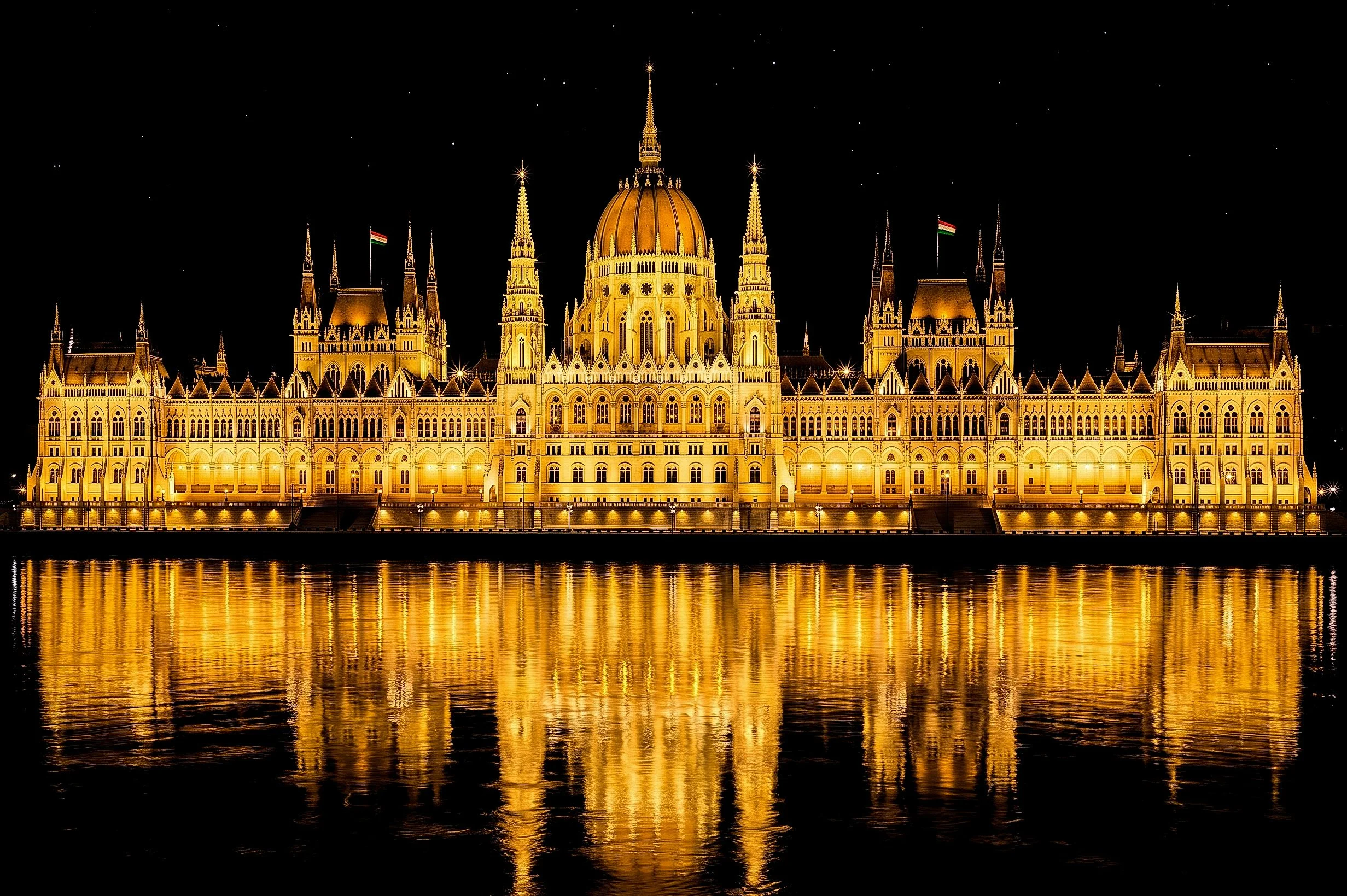
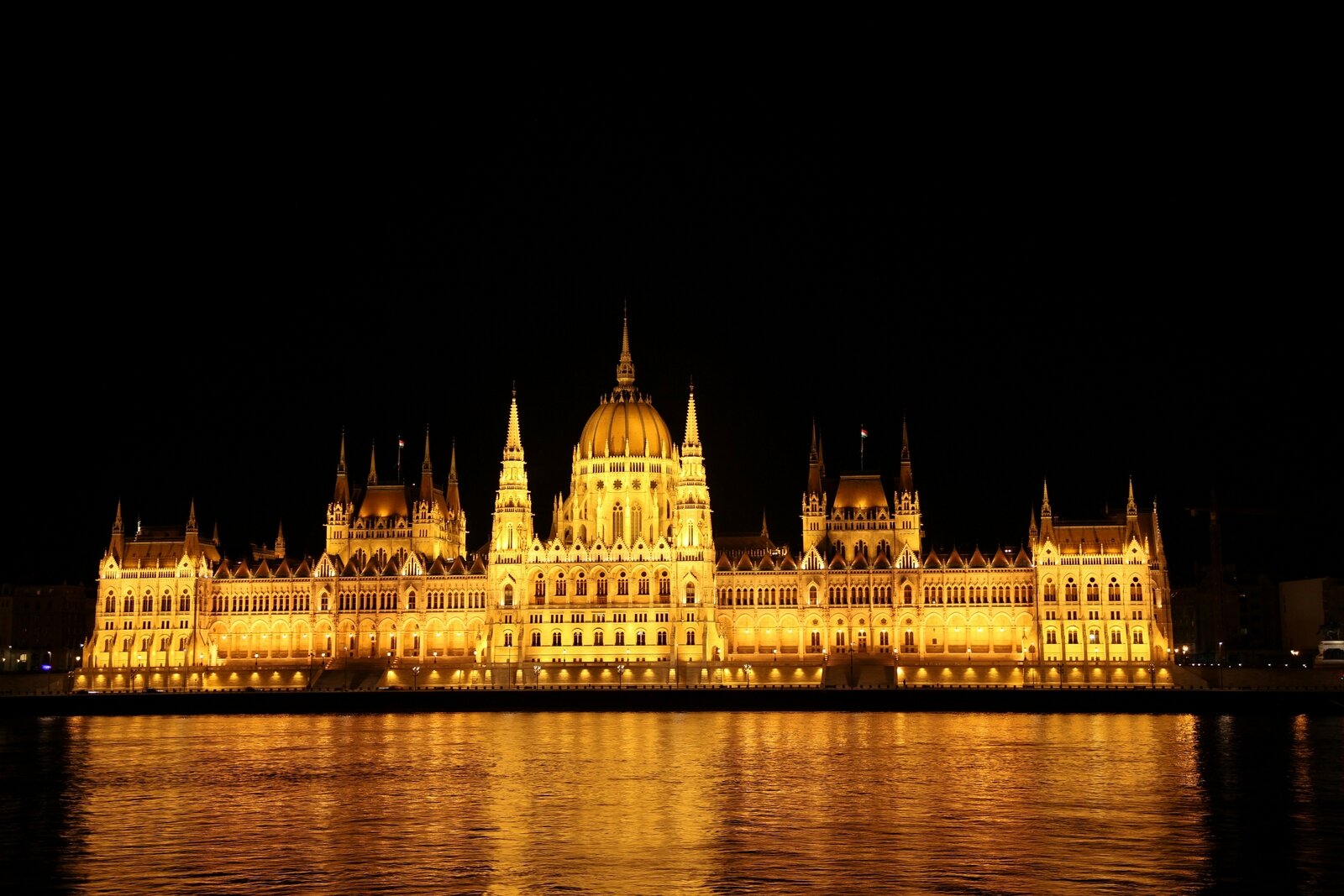
Standing on the banks of the Danube, in Budapest’s Pest district, Hungary’s magnificent Parliament Building has been witnessing to some of the country’s most pivotal moments over the last 200 years. A contest was held during the 1880s to find an architect for a new Hungarian Parliament Building which would represent the nation’s sovereignty. Drawing inspiration from London’s Houses of Parliament, the winner was Hungarian architect Imre Steindl who designed the grand, neo-Gothic building which stands today. Work began in 1885, and the Parliament Building was finished in 1902. Standing at 879ft long, 75.4ft wide and 314.9ft tall, the Hungarian Parliament is the country’s largest building, Budapest’s tallest, and the third largest parliament building in the world. Inside its grand walls there are 691 rooms, 10 courtyards and 12.5 miles worth of stairs. Architecturally, the building is in the Gothic Revival style with a Renaissance Revival style dome.
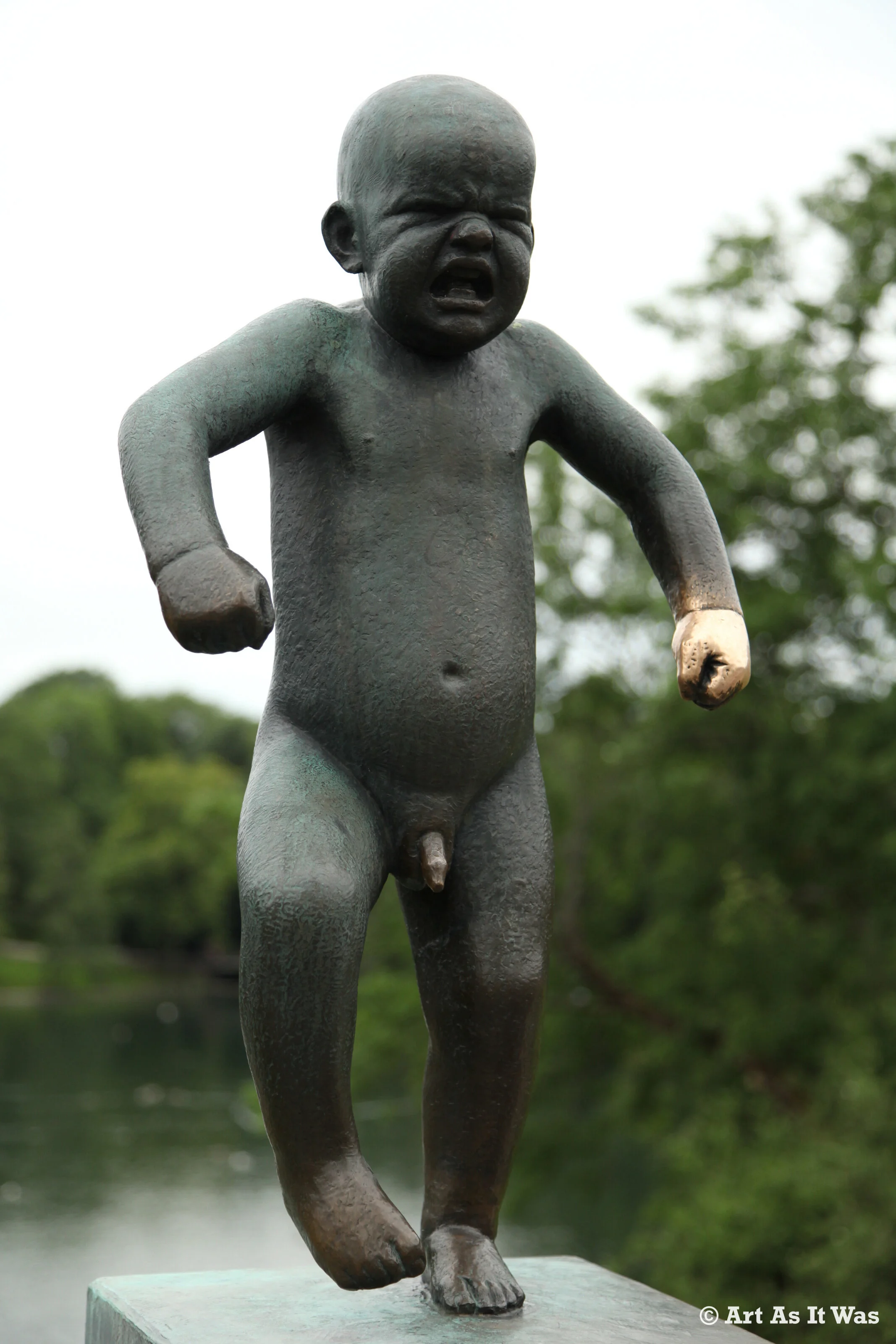
NORWAY, Oslo: Attracting more than a million visitors every year, free-to-enter Vigeland Park in Oslo is one of the top tourist attractions in Norway. It is the largest sculpture park by a single artist in the world, with more than 200 sculptures in bronze, granite and cast iron by acclaimed Norwegian sculptor Gustav Vigeland, whose realistic work represents the cycle of human life and all its emotions.
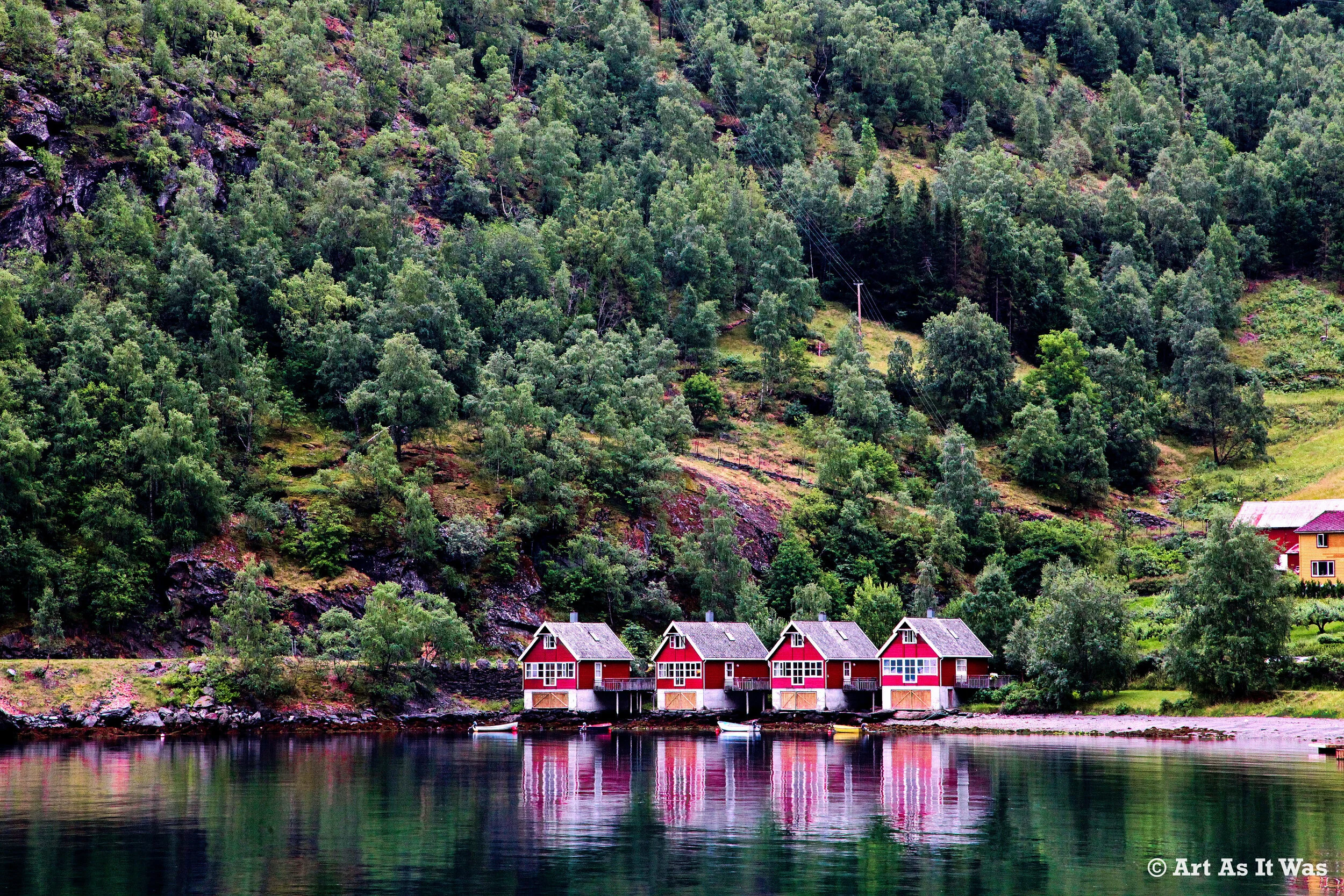
NORWAY, Oslo: Here is Norway, the nature looks just like a painting. The Sognefjord is Norway’s longest and deepest fjord, which stretches over 126 miles inland from the coast north of Bergen. According to UNESCO, the landscape around the fjord arm Nærøyfjorden is “among the most scenically outstanding anywhere”. That is why it has a place on the World Heritage List.
NORWAY, Aurland: Stegastein is a viewpoint located near the top of Aurlandsfjellet (Aurland mountain) between Flåm and Aurland. The views are spectacular with fjords and high mountains covered in snow for large parts of the year. The platform is about 11 ft. long and built of wood, steel, concrete and glass. It is about 2100 ft. above the Aurlandsfjord, with panoramic views of the fjord in all directions. The viewing platform was built in 2006 and is one of the most beautiful viewpoints you will find in the Norwegians fjords.
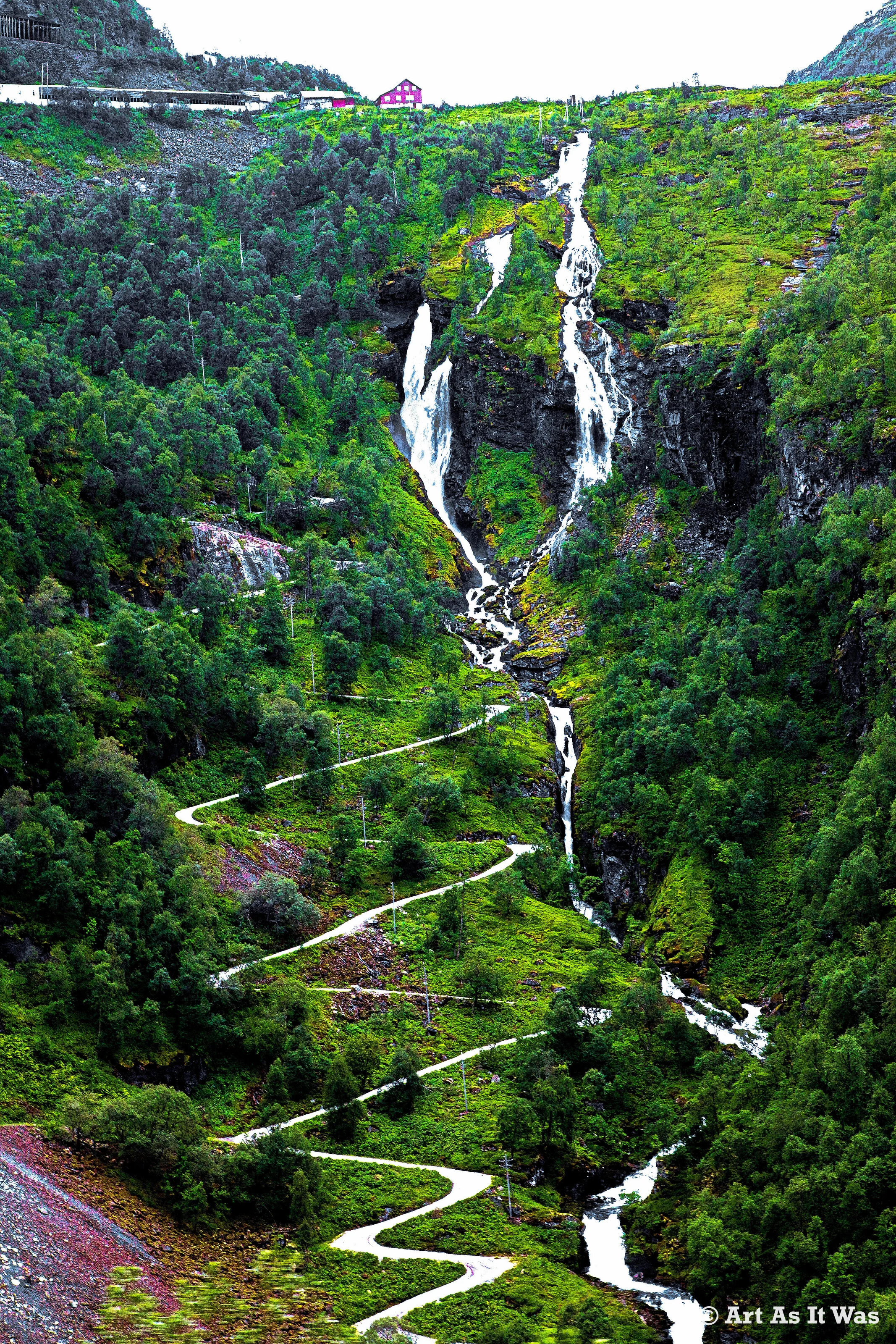
NORWAY, Flåm Valley – An incredible journey from mountain to fjord! The Flåm Railway runs through 12.5 miles of the spectacular Flåm valley. The line’s elevation difference is 863 meters; with ten stations, twenty tunnels and one bridge. The maximum gradient is 5.5 % (1:18), making it the steepest railway in Europe. Because of its steep gradient and picturesque nature, the Flåm Railway has become one of the most visited tourist attractions in Norway
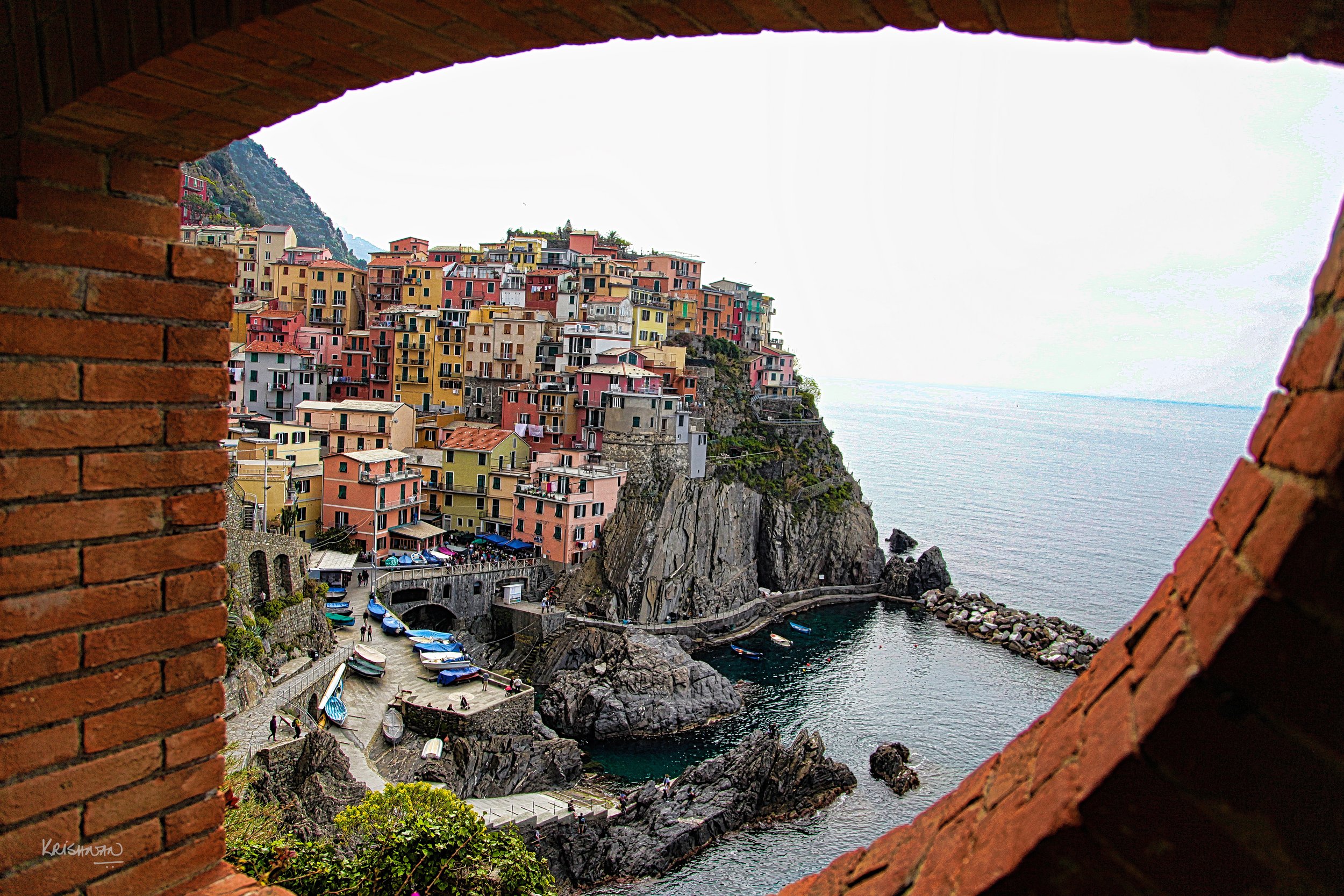
ITALY, Cinque Terre: The Cinque Terre, five towns, (Monterosso, Vernazza, Corniglia, Manarola and Riomaggiore) is a string of five fishing villages perched high on the Italian Riviera in the region Liguria These are the colorful historic buildings of Manarola which is the 2nd smallest of the towns that make up the beautiful Cinque Terre. A beautiful day trip if you are visiting Florence.
THAILAND, Phuket: Khao Phing Kan aka James Bond Island is about a 90mins ferry ride northeast of Phuket, Thailand. Made famous in the Bond movie - The Man with the Golden Gun, it has the massive limestone islet called Ko Tapu and it is one of the gorgeous, must-see places for Phuket visitors.
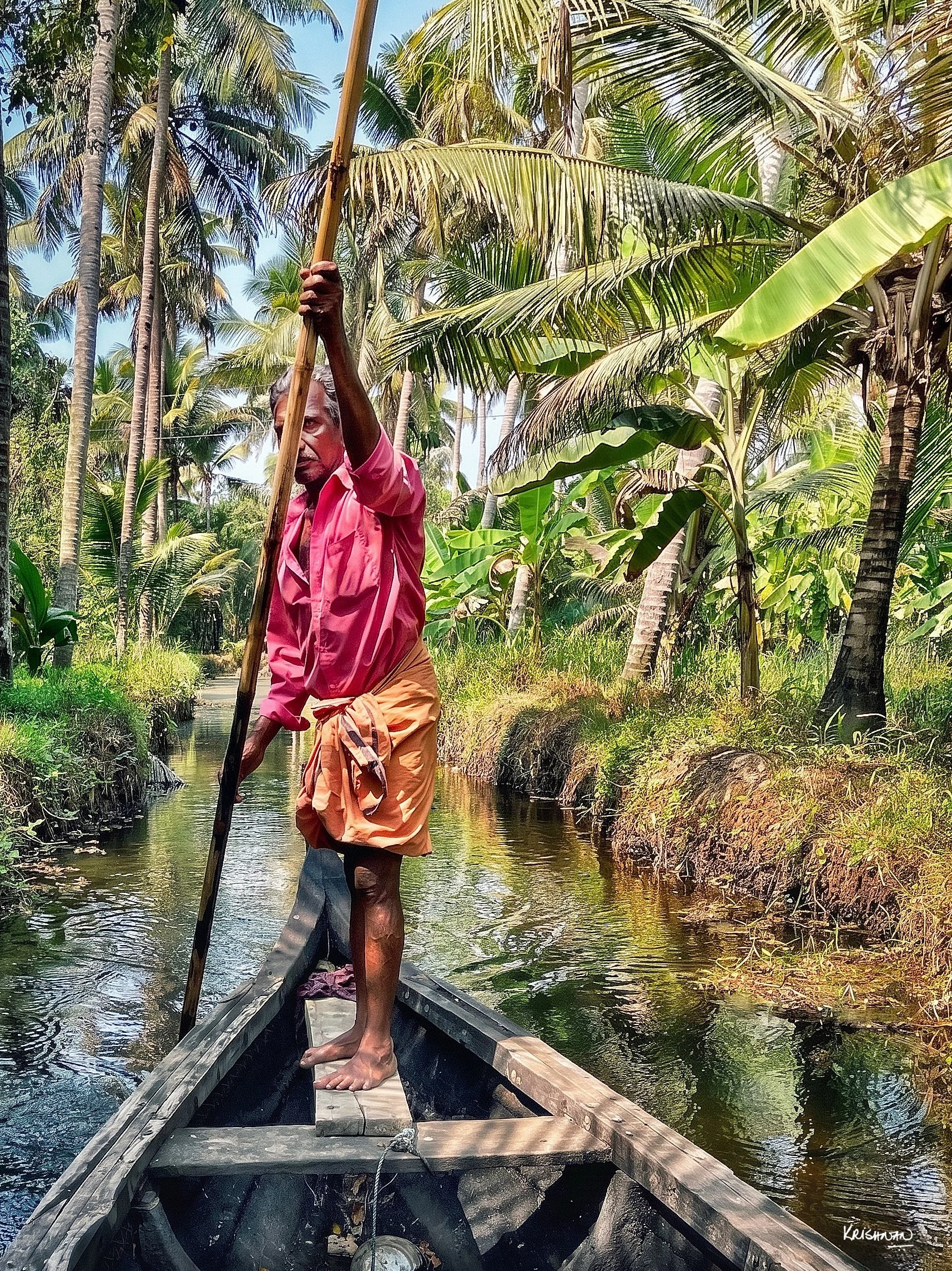
Thailand: Known as the gondolas of southern Thailand, Ruang Hang Yao, which can be literally translated as long-tail boats, come in different shapes and sizes, but they have one thing in common. They all have a long tail, a pole attached to the stern of the boat with a propeller attached to it. With an innovative dual function, this tail is used for both stirring and propelling the boat. Highly economical and ecological, the long tail is made up of biodegradable bamboo and a recycled tractor or car motor engine.
The Phuket Big Buddha is a 45-metre-tall white marble statue visible from anywhere in the southern part of Phuket. Building this huge monument started in 2002 - the official name is ‘Phraphutthamingmongkhol-akenagakhiri Buddha’ that translates as “Happiness on top of Nakerd Mountain”
SPAIN, Segovia: This aqueduct, is a water-conveyance structure built under the Roman emperor Trajan (reigned 98–117 CE) and still in use. One of the best-preserved Roman engineering works, it was built of some 24,000 dark-colored granite blocks without the use of mortar. The above ground portion is 2,388 feet long with 165 arches more than 30 feet high. In the center, the structure stands 93.5 feet above ground level. The aqueduct was designated part of the Segovia World Heritage site in 1985.
SPAIN, Barcelona - La Sagrada Familia is an absolutely breathtaking church located in Barcelona. Initially architected by Antoni Gaudí, construction began in 1882. and when Gaudí died in 1926, only a quarter of the basilica was completed. Final construction is slated to end in 2026. La Sagrada Familia was designated as a UNESCO World Heritage Site in 1984 and is one of seven buildings by Gaudí that fall under this category. This is also home to the tomb of Antoni Gaudí. The tomb is surrounded by four chapels, each dedicated to a different figure. Gaudí’s tomb is held in the chapel dedicated to the El Carmen Virgin.
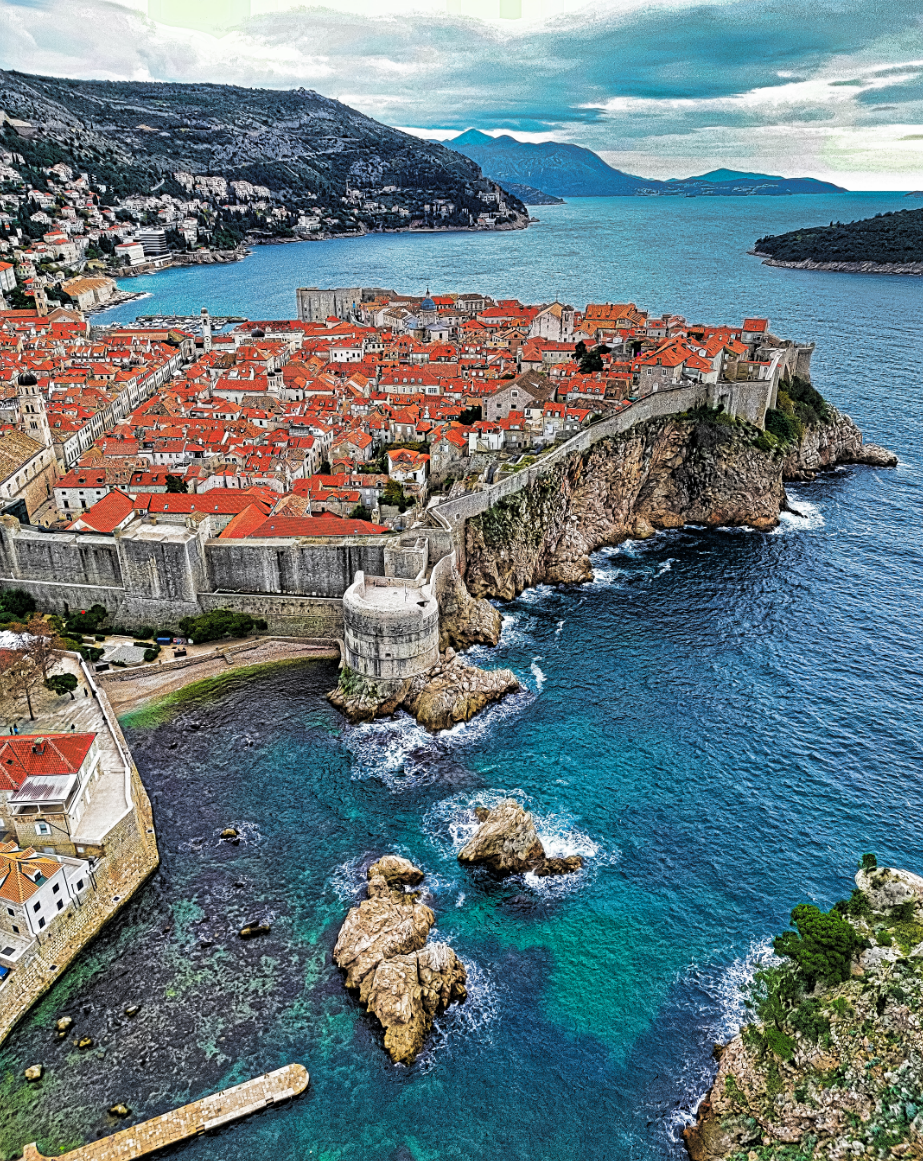
A breathtaking aerial view of the ancient coastal city of Dubrovnik, Croatia — often called the “Pearl of the Adriatic.” The image captures the city’s fortified stone walls, terracotta rooftops, and the brilliant turquoise hues of the surrounding sea. The rugged cliffs and calm waters merge in perfect harmony, reflecting centuries of history and maritime splendor. This composition blends architectural grandeur with natural beauty, evoking both serenity and awe. Perfect for lovers of travel photography, Mediterranean landscapes, and old-world charm.